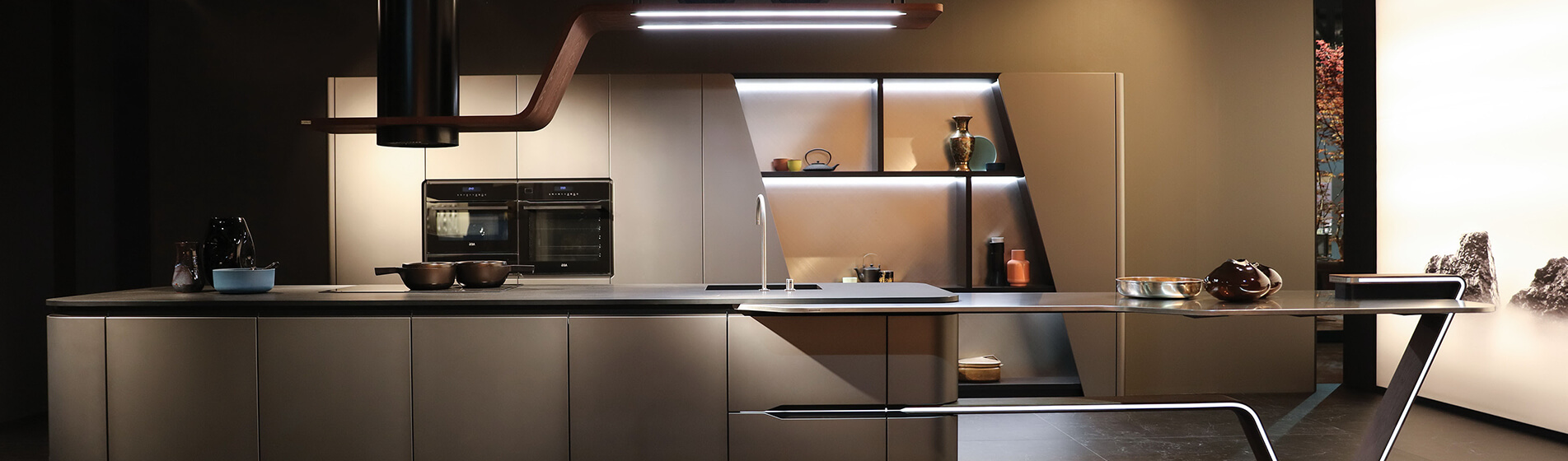
If you’re furnishing a home or organizing clothing, you might wonder: What’s the difference between a closet and a wardrobe? These interchangeable terms refer to distinct clothing storage solutions—understanding them helps you choose the right fit, whether you need a built-in closet or a freestanding wardrobe.
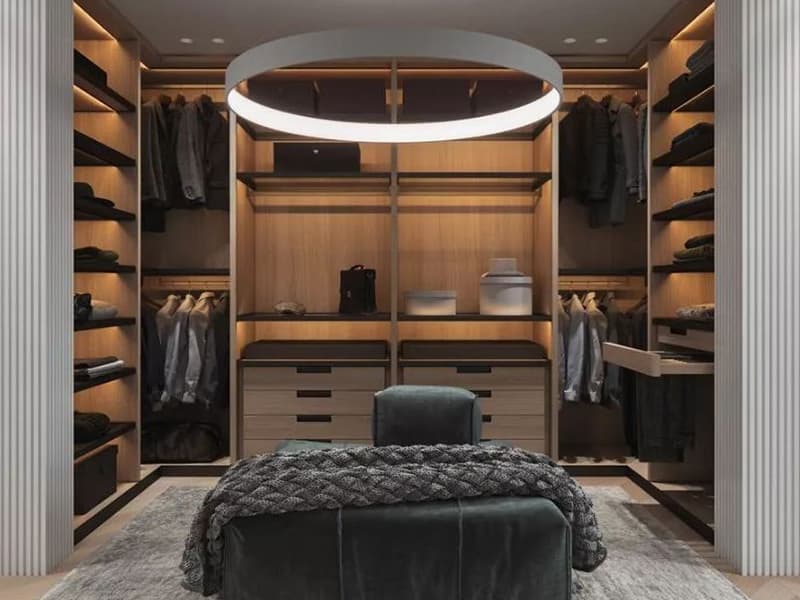
A closet is a built-in, permanent storage space integrated into a room’s structure. Standard in North American bedrooms (as reach-in closets or walk-in closets), it’s an enclosed, door-equipped area that saves floor space. Part of the home’s architecture, it features built-in shelves or hanging rods for functionality but lacks mobility.
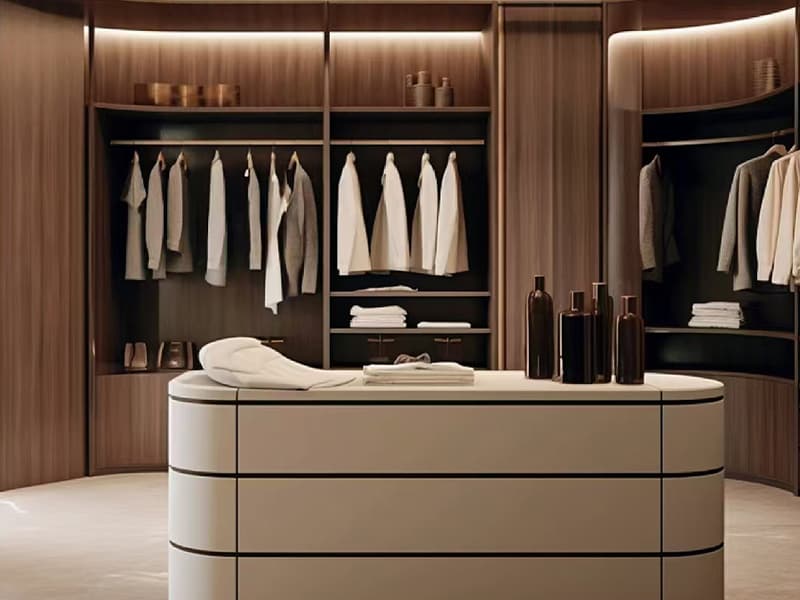
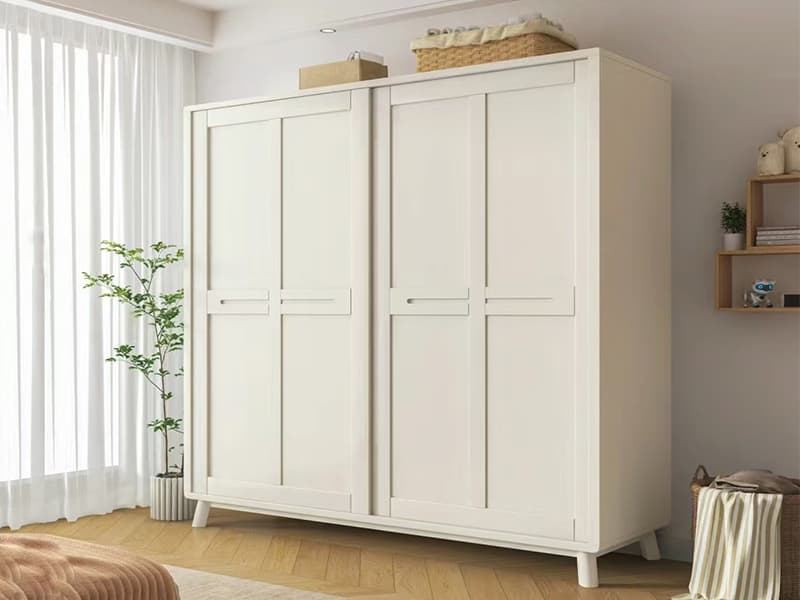
A wardrobe (or armoire) is a freestanding, portable piece of furniture for clothing storage. With legs, doors, and internal compartments, it’s easy to relocate—ideal for apartments, older homes, or spaces without built-ins. It adds home storage without structural changes.
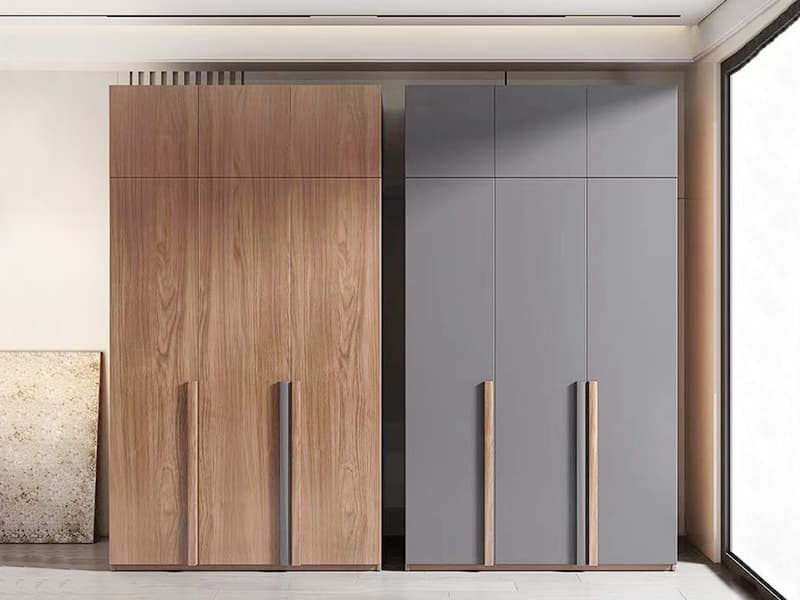
Installation: Closets are wall-integrated (permanent); wardrobes are standalone (no renovation needed).
Mobility: Closets are fixed; wardrobes are portable for flexible use.
Space Usage: Closets save floor space; wardrobes prioritize adaptability over floor area.
Regional Usage: “Closet” is American English; “wardrobe” is standard in British English.
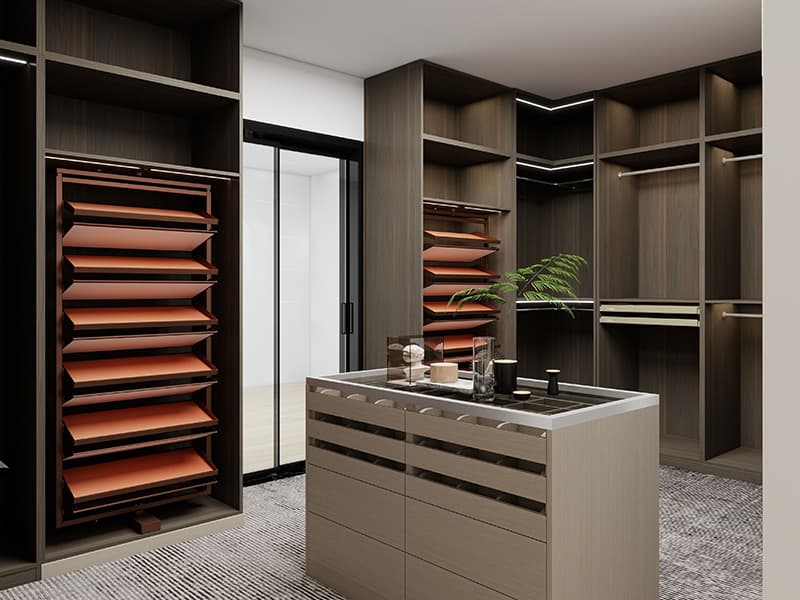
Opt for a closet if renovating/building—its permanence blends with decor. Pick a wardrobe if renting or needing mobility. In short: Closets are built-in permanent storage; wardrobes are movable freestanding furniture. Share your storage experiences in the comments!



Friendly Links :
Anlikedoor© 2026 Anhui YALIG Intelligent Houseware Co.,Ltd All Rights Reserved.
SitemapPrivacy PolicyXml